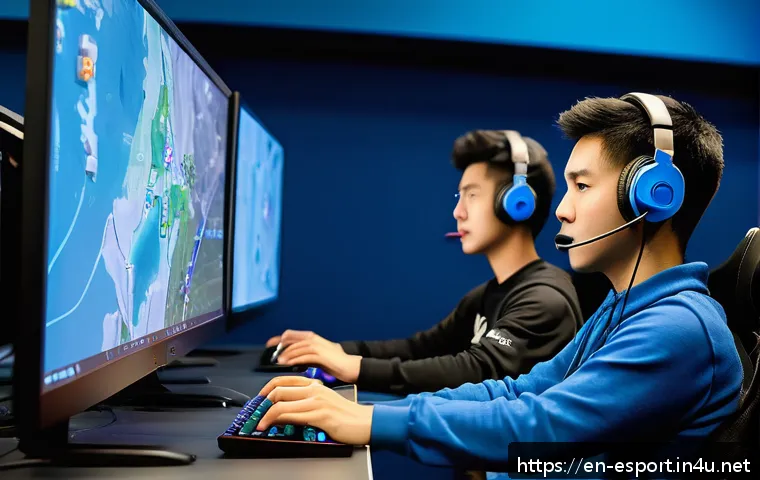
The gaming industry is evolving faster than ever, turning passionate players into promising professionals. With esports becoming a global phenomenon, educational programs tailored to this booming field are gaining serious attention.
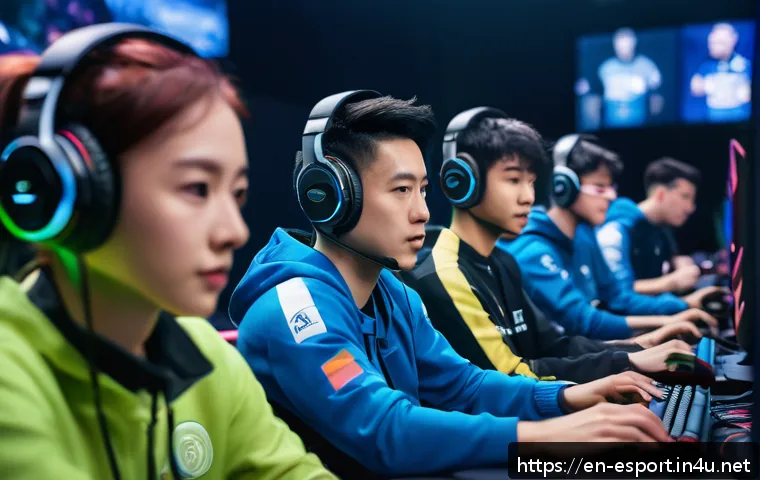
If you’ve ever wondered how to turn your love for gaming into a rewarding career, now is the perfect time to explore top esports degree programs. In 2024, these specialized courses are shaping the future of competitive gaming and opening doors to exciting opportunities.
Let’s dive into how these programs are unlocking new paths for aspiring gamers and industry leaders alike.
Building a Strong Foundation in Game Theory and Strategy
Understanding Core Game Mechanics
Diving into the heart of esports education, mastering core game mechanics is absolutely essential. These programs often start by breaking down popular game genres—whether it’s MOBAs like League of Legends, FPS titles such as Counter-Strike, or battle royales like Fortnite.
Getting hands-on with these games under guided instruction helps students grasp the fundamental rules, control schemes, and strategic frameworks that top players exploit.
From my own experience, when I first dedicated time to really understanding these mechanics, it completely changed how I approached gameplay — it’s like unlocking a new level of insight that casual players often miss.
Strategic Thinking and Decision-Making Skills
Beyond knowing how a game works, developing strategic thinking is what sets competitive players apart. The curriculum emphasizes analyzing in-game situations, predicting opponents’ moves, and making split-second decisions that can turn the tide of a match.
I recall one course module where we simulated real match scenarios, forcing us to adapt strategies on the fly. This kind of training mirrors what professional teams go through and builds mental agility that’s critical both in and out of the gaming arena.
Applying Theory to Real Gameplay
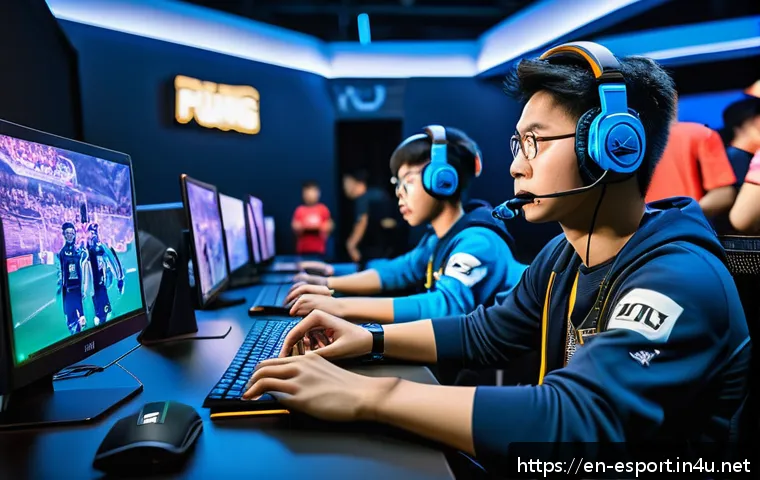
Theory without practice is like having a map but never stepping outside. These programs integrate theory sessions with live gameplay, allowing students to immediately apply what they learn.
Watching replays, conducting post-game analysis, and receiving feedback from coaches help deepen understanding. When I tried this approach, it was eye-opening to see patterns and mistakes I hadn’t noticed before, which then helped me improve dramatically in subsequent matches.
Mastering Communication and Team Dynamics
Essential Communication Skills for Team Play
Esports is rarely a solo endeavor; it’s a team sport at its core. Educational programs focus heavily on teaching effective communication—how to relay information quickly, clearly, and calmly during high-pressure moments.
Students practice callouts, timing, and even tone to ensure their team operates seamlessly. I’ve seen firsthand how one poorly communicated moment can cost a game, so training this skill is invaluable.
Building Trust and Synergy Within Teams
Trust among teammates creates synergy, and synergy creates wins. Courses often include exercises in team-building, leadership, and conflict resolution to foster strong relationships.
From my involvement in team-based competitions, I learned that understanding your teammates’ playstyles and personalities can be just as important as technical skill.
Leadership and Role Adaptability
Some programs encourage students to rotate through different roles, not just in gameplay but also in leadership positions such as captain or strategist.
This flexibility prepares players to adapt to varying team needs and enhances their value in the professional scene. Personally, stepping into a leadership role helped me develop confidence and a broader perspective on match dynamics.
Leveraging Technology and Analytics for Competitive Advantage
Utilizing Performance Analytics Tools
Modern esports education integrates technology deeply, teaching students how to use analytics tools to track performance metrics like reaction time, accuracy, and decision patterns.
I remember being fascinated by how much data was available and how it could be used to fine-tune gameplay. These insights often reveal hidden weaknesses or strengths that aren’t obvious during live matches.
Incorporating Video Review and Replay Analysis
Watching game replays is a cornerstone of improvement. Educational programs guide students through structured video analysis sessions, helping them identify mistakes, understand opponent strategies, and develop countermeasures.
It’s like being your own coach, and when I started doing this regularly, my gameplay improved faster than I expected.
Exploring Emerging Technologies in Esports
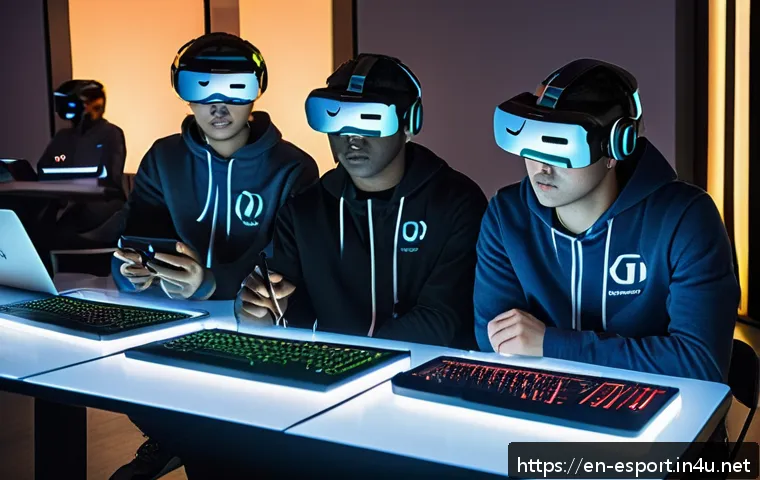
Courses also explore cutting-edge tech trends such as VR esports, AI coaching assistants, and streaming tools. Staying current with technology keeps players competitive and opens doors to future career options beyond playing, like content creation or tech development.
I found it exciting to experiment with these innovations, which broadened my understanding of the industry as a whole.
Understanding the Business Side of Esports
Marketing and Branding for Gamers
A strong personal brand can be a game-changer in esports careers. Programs teach how to build a presence on platforms like Twitch, YouTube, and social media, helping students market themselves effectively.
I learned that consistent, authentic engagement can attract sponsorships and grow fanbases, which is crucial for long-term success.
Event Management and Sponsorships
Running esports tournaments and securing sponsorships are vital parts of the industry’s infrastructure. Many courses cover event planning, logistics, and partnership building.
Gaining insight into these areas gave me a newfound respect for how much work goes into the scenes behind the scenes, and it made me consider careers beyond just competing.
Monetizing Skills and Content
From prize money to streaming revenue and merchandise, there are multiple income streams in esports. Students learn strategies for monetization that align with their skills and interests.
When I applied these tactics, it was rewarding to see how diversifying income sources can stabilize a career in this unpredictable field.
Exploring Career Paths Beyond Playing
Coaching and Team Management
Not everyone will become a pro player, but that doesn’t mean they can’t have a thriving esports career. Coaching and team management roles are growing rapidly, requiring deep game knowledge and leadership skills.
I’ve talked to several coaches who transitioned from playing, and their experience adds tremendous value to teams.
Content Creation and Streaming
Creating engaging content is a major avenue for income and influence. Educational programs often offer modules on video production, editing, and audience engagement.
When I started experimenting with streaming, the skills I learned in these courses helped me build an authentic connection with viewers.
Game Development and Esports Technology
For those interested in the technical side, careers in game design, programming, and esports platform development are viable paths. Many programs include collaborations with tech companies, giving students practical experience.
I found that understanding the development process enhanced my appreciation for the games I love and opened new professional doors.
Comparing Top Esports Programs and What They Offer
| Program | Key Focus Areas | Unique Features | Duration |
|---|---|---|---|
| University of California, Irvine (UCI) | Game design, management, team dynamics | State-of-the-art esports arena, industry partnerships | 4 years (Bachelor’s) |
| Harrisburg University of Science and Technology | Esports management, marketing, analytics | Online flexible courses, real-world projects | 2 years (Associate’s) |
| Staffordshire University (UK) | Game development, esports culture, events | International esports competitions, internships | 3 years (Bachelor’s) |
| Robert Morris University Illinois | Esports business, coaching, broadcasting | Scholarships, varsity esports teams | 4 years (Bachelor’s) |
| National University (Online) | Esports management, leadership, technology | Fully online, mentorship programs | 1-2 years (Certificate/Associate’s) |
In Conclusion
Building a solid foundation in esports requires a blend of technical skill, strategic thinking, and strong communication. By integrating hands-on practice with theory and leveraging technology, players and enthusiasts can elevate their game and career prospects. Whether aiming to compete, coach, or enter the business side of esports, continuous learning and adaptability are key to success.
Helpful Information to Keep in Mind
1. Consistent practice paired with strategic analysis accelerates skill improvement more than practice alone.
2. Effective communication within a team can often be the difference between winning and losing high-stakes matches.
3. Utilizing performance analytics tools uncovers hidden strengths and weaknesses that might go unnoticed during gameplay.
4. Building a personal brand through streaming and social media is essential for long-term career sustainability in esports.
5. Exploring diverse career paths beyond playing, such as coaching or content creation, broadens opportunities in the esports industry.
Key Takeaways
Understanding core game mechanics and strategic decision-making lays the groundwork for competitive success. Equally important are communication skills and team dynamics, which foster synergy and leadership. Embracing technology like analytics and video review sharpens performance, while knowledge of the esports business side enables effective monetization and career growth. Finally, being open to various career avenues within the esports ecosystem can ensure a fulfilling and sustainable future.
Frequently Asked Questions (FAQ) 📖
Q: uestionsQ1: What career opportunities can an esports degree lead to?
A: An esports degree opens doors to a variety of exciting career paths within the gaming industry. Graduates can become professional players, coaches, team managers, event organizers, content creators, analysts, or even work in esports marketing and business development.
The curriculum often includes hands-on experience and industry connections, which help students build a strong network and find roles in this rapidly growing field.
Q: How do esports degree programs differ from traditional gaming courses?
A: Unlike general gaming courses, esports degree programs focus specifically on competitive gaming and the business side of esports. They combine gameplay skills development with lessons in strategy, team dynamics, event management, broadcasting, and digital marketing.
This specialized approach equips students not only to excel as players but also to understand the broader ecosystem, preparing them for diverse roles in the esports industry.
Q: Is prior gaming experience required to enroll in an esports degree program?
A: While having gaming experience can be beneficial, it’s not always mandatory. Many programs welcome students who are passionate about esports but may be new to competitive gaming.
These courses often start with foundational skills and gradually build up technical expertise, teamwork, and strategic thinking. The key is enthusiasm and willingness to learn, as the programs are designed to develop both players and industry professionals from the ground up.