Hey everyone! As someone who’s spent countless hours immersed in the electrifying world of competitive gaming, I’ve always been absolutely fascinated by what goes on behind the scenes for our favorite pro players.
We see them dominate on stage, pulling off incredible plays, but have you ever stopped to wonder about the secret labs where these legends are truly forged?
I’ve personally been curious about how these incredible athletes train, what cutting-edge tech they’re leveraging, and the meticulous routines they follow to stay at the absolute pinnacle of their game day in and day out.
It’s so much more than just playing video games; it’s a meticulously crafted science, a demanding art, and a whole lot of relentless dedication. From biometric tracking that monitors every single heartbeat and reaction time to dedicated chefs crafting performance-enhancing meals, the modern eSports practice room is far from just a room with high-end gaming PCs.
It’s a holistic ecosystem designed for peak performance, seamlessly blending intense strategy sessions with crucial mental and physical wellness programs.
The significant investment in these state-of-the-art facilities, often costing millions, genuinely highlights the astonishing professionalism and intense competition that continues to drive this dynamic industry forward.
Get ready to peel back the layers and discover the innovations and daily grind that fuel champions. Ready to get an exclusive insider’s look? Let’s dive into the details below!
Unveiling the Command Centers: The Evolution of Pro Gaming Sanctuaries

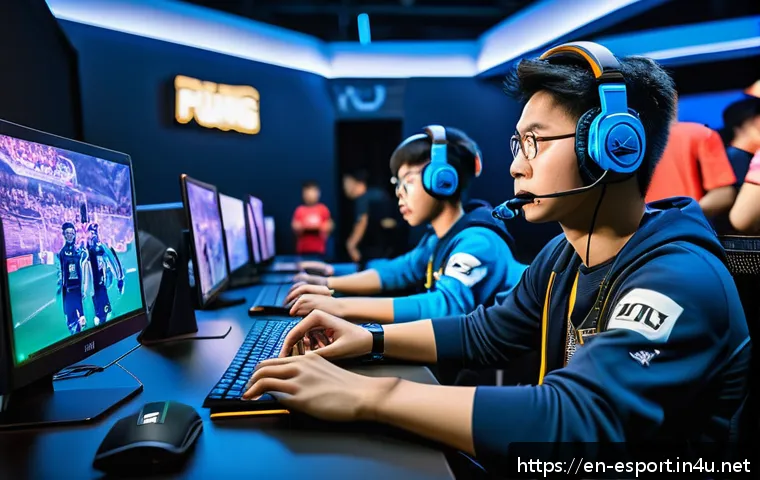
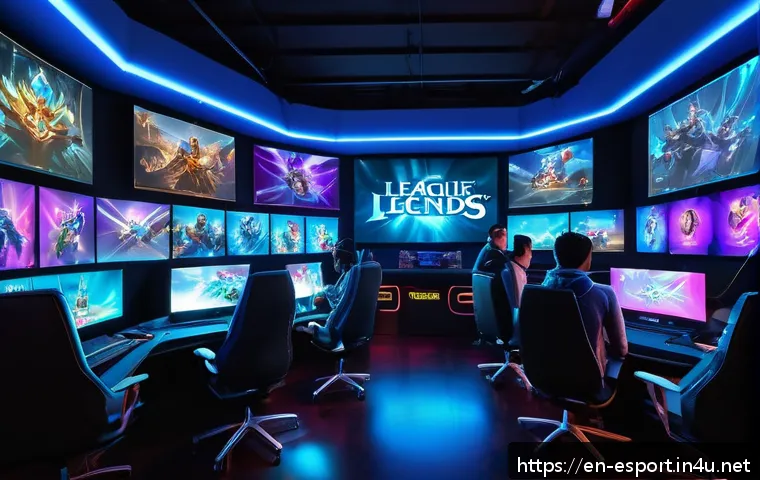
Stepping into a modern professional esports facility for the first time is like walking onto the set of a high-tech sci-fi movie. I remember visiting one of the top European teams’ training centers last year, and honestly, my jaw dropped. Gone are the days of a few friends crammed into a basement with energy drinks and questionable pizza. Today, these are purpose-built marvels, designed with an almost obsessive focus on every single detail that could possibly enhance a player’s performance. We’re talking about custom-built gaming rigs that make your home setup look like a relic, ergonomic chairs that feel like they were molded just for you, and lighting systems tuned to minimize eye strain and maximize focus. But it’s so much more than just the gear. The entire atmosphere is calibrated for intense concentration and strategic development. Think soundproofed rooms to block out distractions, ambient temperature control, and even air purification systems. It’s a complete sensory experience engineered to keep players at their sharpest, hour after grueling hour. I’ve heard stories from older pros about their early days – playing in cramped apartments, dealing with unstable internet, and just making do. The contrast with what these new facilities offer is absolutely staggering, truly showcasing how far the industry has come and how seriously teams are investing in their athletes’ environments. It’s truly inspiring to see how far the industry has come, transforming gaming from a hobby into a meticulously managed sport, right down to the physical space where champions are forged.
Beyond the Mouse and Keyboard: The Biometric Revolution
One of the most fascinating advancements I’ve personally witnessed is the integration of biometric tracking. It’s not just about what happens on screen anymore; it’s about what’s happening within the player. Imagine sensors monitoring heart rate variability, galvanic skin response, and even eye-tracking during high-pressure situations. I recall a conversation with a performance coach from a leading North American Valorant team, who explained how they use this data. They can pinpoint exactly when a player’s stress levels spike, or when their focus wavers. This isn’t about shaming anyone; it’s about understanding individual physiological responses to stress and fatigue, allowing coaches to tailor training regimens that build resilience. It’s like having a personalized health dashboard that tells you not just how you’re performing, but why. For instance, if a player consistently chokes in clutch situations, the data might reveal a specific spike in heart rate that affects their fine motor skills. With this insight, coaches can introduce targeted mindfulness exercises, breathing techniques, or even specific in-game drills to help the player manage those physiological responses. It’s a game-changer, moving beyond mere anecdotal evidence to hard, scientific data, making training incredibly precise and effective. I’ve always believed that understanding yourself is the first step to mastering anything, and these technologies are giving players and coaches an unprecedented level of self-awareness.
Optimizing Performance Through Ergonomics and Environment
Having spent countless hours in front of a screen myself, I can tell you that ergonomics aren’t just a buzzword; they’re essential for sustained performance and long-term health. The top-tier facilities understand this deeply. Every chair, desk, and monitor is chosen not just for its brand name, but for its adjustability and support. I’ve used some of these high-end chairs, and the difference is palpable. My back definitely thanks me! Beyond the physical setup, the environmental controls are often overlooked but incredibly crucial. Think about it: a slightly too-warm room can cause fatigue, while poor lighting can lead to headaches and eye strain, directly impacting reaction times and decision-making. These practice rooms often feature sophisticated HVAC systems to maintain optimal temperatures and humidity, along with advanced lighting that mimics natural daylight cycles to support circadian rhythms. It’s all about creating an environment where the players can focus solely on their game without any physical discomfort becoming a distraction. I remember one facility even had specific scent diffusers with calming or invigorating essential oils in different zones to subtly influence mood and focus. It might sound like overkill, but when every millisecond and every decision counts, leaving no stone unturned is the standard for these professional organizations. It’s an investment in their most valuable asset: the players themselves.
The Minds Behind the Magic: Strategic Coaching and Mental Fortitude
When you watch a pro player execute a flawless play, it looks effortless, right? But believe me, that’s the culmination of thousands of hours of intense strategic breakdown and psychological conditioning. I’ve had the privilege of observing a live VOD review session with a legendary League of Legends coach, and it was eye-opening. They weren’t just pointing out mistakes; they were dissecting every decision, every movement, and every communication, explaining the ‘why’ behind it all. It’s like watching a chess grandmaster analyze a game, but at hyper-speed and with five people coordinating simultaneously. The strategic coaches in these facilities are often former pros themselves or have deep analytical backgrounds, bringing a level of insight that traditional sports coaches would envy. They use bespoke analytics software that tracks everything from damage per minute to map control efficiency, turning raw game data into actionable strategies. It’s a blend of art and science, where intuition meets hard numbers. My own experience trying to analyze my amateur games pales in comparison; these guys are operating on a completely different level of strategic depth. They’re constantly innovating, developing new meta-strategies, and predicting opponent moves, making the game far more complex and fascinating than most spectators realize. It’s truly a masterclass in critical thinking and rapid problem-solving.
Building Unbreakable Bonds: Team Cohesion and Communication
I can’t stress enough how vital team cohesion and communication are in esports. It’s not enough to have five individually skilled players; they need to function as a single, synchronized unit. This is where dedicated team-building exercises and communication drills come into play within these facilities. I’ve seen teams participate in everything from escape rooms designed to foster problem-solving under pressure to structured psychological workshops focused on active listening and conflict resolution. It’s funny because, from the outside, it might just look like they’re playing video games together, but internally, they’re constantly refining their non-verbal cues, their call-outs, and their overall synergy. A pro player once told me that the best teams don’t just react to each other; they anticipate. They know what their teammates are going to do before they even do it, which only comes from countless hours of practice and building deep trust. These facilities often have dedicated common areas and relaxation zones that are designed to encourage informal interaction and strengthen personal bonds outside of the competitive pressure. It’s a holistic approach to team building, acknowledging that strong personal relationships often translate into better in-game performance. When a team trusts each other implicitly, they can take risks and make plays that would be impossible otherwise, and that’s truly captivating to watch.
The Fuel for Champions: Nutrition and Physical Wellness Programs
Just like any traditional athlete, esports pros need to be in peak physical condition to perform at their best. This isn’t just about avoiding carpal tunnel syndrome; it’s about maintaining energy levels, focus, and rapid reaction times throughout long tournaments and intense practice schedules. That’s why modern facilities often boast dedicated nutritionists and personal trainers. I’ve always been a believer that what you put into your body directly impacts your mental clarity, and these teams take it to an entirely new level. They’re not just serving up healthy meals; they’re crafting individualized dietary plans based on each player’s metabolism, activity levels, and even the demands of their specific role in-game. Think about it: a front-line tank player might have different energy requirements than a highly mobile assassin. I personally saw a chef preparing gluten-free, high-protein snacks customized for a player with specific dietary needs during a facility tour last year. It was amazing! These aren’t just cafeterias; they’re performance-fueling kitchens. Moreover, physical activity isn’t just for bodybuilders. Regular exercise, stretching routines, and even yoga are integrated into the daily schedule to combat the sedentary nature of gaming, improve blood flow to the brain, and enhance overall endurance. It’s a profound shift from the old stereotype of gamers existing solely on junk food. These athletes are as disciplined about their physical health as any traditional sports star, recognizing that a healthy body underpins a healthy, agile mind.
Combatting Burnout: Mental Health and Recovery Strategies
The mental toll of professional esports is often underestimated. The pressure to perform, the constant scrutiny, and the relentless training schedule can lead to burnout, anxiety, and even depression. This is where the forward-thinking facilities truly shine, offering comprehensive mental health support. I’ve personally spoken with team managers who emphasize that a player’s mental well-being is just as crucial as their in-game mechanics. Many facilities now employ sports psychologists who work with players individually and as a team, providing coping mechanisms for stress, strategies for maintaining a positive mindset, and tools for handling losses gracefully. It’s not about being “weak” to seek help; it’s about optimizing mental resilience, just like you would optimize a gaming rig. These spaces also prioritize recovery. This isn’t just about getting enough sleep, though that’s a huge part of it. It includes dedicated relaxation zones, often equipped with comfortable seating, sometimes even meditation pods or VR relaxation experiences. The idea is to create environments where players can truly disconnect from the intensity of competition and recharge. I remember one facility that even had a small sensory deprivation tank! It sounds wild, but it’s all about helping players manage the immense psychological demands of their profession. It’s a reminder that even the toughest competitors need time to decompress and maintain their mental edge.
The Cutting Edge: Analytics, AI, and Simulation Training
The world of esports training is constantly evolving, and a huge part of that innovation comes from leveraging advanced data analytics and even artificial intelligence. This isn’t just about looking at stats after a game; it’s about predictive modeling and personalized training. I’ve heard whispers of teams experimenting with AI-driven opponents that can adapt to a player’s specific weaknesses, providing an infinitely customizable training dummy that never gets tired. Imagine an AI that learns your tendencies and then exploits them, forcing you to develop new counter-strategies! It’s like having a hyper-intelligent, tireless sparring partner. On the analytics side, the depth of data available is astounding. Teams use specialized software to track everything from micro-movements to macro-strategic decisions, identifying patterns that even the most experienced coaches might miss. This data isn’t just for in-game performance; it’s also used to optimize practice schedules, identify potential burnout, and even scout new talent with incredible precision. It’s turning what was once largely intuition into a data-driven science, providing an unparalleled competitive edge. For me, someone who loves seeing technology push boundaries, this is probably one of the most exciting aspects of modern esports development. It really shows how much further the envelope can be pushed in terms of performance optimization.
Simulating Success: Virtual Reality and Advanced Training Modules
While VR might seem like a gimmick for some games, its potential in esports training is genuinely exciting. I’ve heard of teams using VR simulations not just for movement drills but for recreating specific, high-pressure in-game scenarios. Imagine a CS:GO player practicing retakes against incredibly realistic virtual opponents, or a League of Legends jungler perfecting their pathing in a simulated environment without the pressure of a live game. It offers a safe, repeatable space to drill specific mechanics and decision-making processes until they become muscle memory. These aren’t just basic VR experiences; they’re often highly customized modules developed by the teams themselves, tailored to address specific weaknesses or practice emerging strategies. It’s like a flight simulator for fighter pilots, but for competitive gaming. This kind of training allows players to iterate rapidly on new tactics, reduce the cognitive load during live matches, and build an incredible depth of understanding for various in-game situations. I even heard about one facility using haptic feedback suits in conjunction with VR to simulate damage or impacts, adding an extra layer of immersion and realism to the training. It’s truly a glimpse into the future of how professional athletes, whether traditional or digital, will refine their skills.
The Investment Pays Off: The Business Side of High-Performance Training

It’s easy to look at these incredible facilities and think, “Wow, that must cost a fortune!” And you’d be right. The investment in state-of-the-art practice rooms, cutting-edge technology, and a dedicated support staff—from coaches and analysts to nutritionists and psychologists—is truly substantial. We’re talking millions of dollars in many cases. But here’s the thing: it’s not just an expense; it’s a strategic investment that pays dividends. Successful teams attract better talent, secure more lucrative sponsorships, and win more prize money. A reputation for having a top-tier training environment becomes a massive recruiting tool, drawing in the brightest young stars who want to be part of an organization that truly cares about their development. I’ve heard agents talk about how important a team’s facility and support staff are when negotiating contracts for their players. It’s no longer just about the salary; it’s about the entire ecosystem designed to maximize a player’s potential. These investments create a virtuous cycle: better facilities lead to better performance, which leads to more success, which in turn justifies further investment. It’s a clear indicator of how professional and financially significant the esports industry has become, evolving from passionate hobbyists to a multi-billion dollar enterprise. The financial backing speaks volumes about the level of commitment and belief in the future of competitive gaming.
Return on Investment: Sponsorships, Branding, and Fan Engagement
Beyond prize money, the sophisticated training facilities themselves become powerful branding tools. When a team showcases its high-tech practice room, it sends a clear message about their professionalism and commitment to excellence. This image is incredibly appealing to potential sponsors, who want to associate their brands with success and innovation. I’ve seen countless team documentaries and social media posts highlighting these incredible spaces, and they always generate immense fan engagement. Fans love getting a peek behind the curtain, seeing where their heroes hone their skills. This increased visibility and positive brand image translate directly into more lucrative sponsorship deals, merchandise sales, and a larger, more dedicated fanbase. These facilities aren’t just for training; they’re also often designed with media in mind, featuring dedicated spaces for content creation, interviews, and even fan meet-and-greets. It’s all part of a larger ecosystem designed to maximize revenue and build a lasting legacy for the organization. The investment in a world-class training center isn’t just about winning games; it’s about building a sustainable and profitable business around the passion of competitive gaming. It’s truly amazing to see how these organizations have matured, integrating business acumen with athletic development, much like established traditional sports franchises.
| Aspect of Training | Traditional Gaming Setup | Modern Pro Esports Facility |
|---|---|---|
| Hardware & Peripherals | Consumer-grade equipment, often mismatched. | Custom-built PCs, ergonomic chairs, specialized high-refresh rate monitors, custom peripherals from sponsors. |
| Environment Control | Varies widely, typically home/office settings. | Soundproofed rooms, optimized lighting (circadian rhythms), advanced HVAC, air purification. |
| Performance Analytics | Basic in-game stats, anecdotal observation. | Sophisticated data analytics software, AI-driven insights, biometric tracking, eye-tracking. |
| Physical Wellness | Often neglected, self-managed. | Dedicated fitness trainers, customized exercise routines, stretching, physiotherapy. |
| Nutrition | Junk food, convenience meals. | On-site chefs, personalized dietary plans, performance-enhancing meals and snacks. |
| Mental Health Support | Minimal to none, player self-reliance. | Sports psychologists, mindfulness coaching, stress management, dedicated relaxation zones. |
| Team Building | Informal, in-game communication. | Structured team-building exercises, communication workshops, psychological cohesion training. |
Shaping Future Generations: Youth Academies and Talent Scouting
As the esports industry continues to grow at an astronomical pace, the focus isn’t just on current pros but on cultivating the next generation of talent. That’s why we’re seeing more and more professional organizations investing in youth academies and sophisticated talent scouting programs. It’s truly fascinating to watch this evolution, mirroring traditional sports in so many ways. These academies aren’t just about finding raw mechanical skill; they’re about identifying young players with the right mindset, work ethic, and potential for growth. I’ve personally seen junior programs that offer structured training, educational support, and even mentorship from seasoned pros. Imagine being a teenager and getting coached by one of your esports idols! It’s an incredible opportunity for aspiring players. The scouting process itself has become incredibly sophisticated, moving beyond just watching highlight reels. Teams use advanced data analysis to track promising amateur players across various online ladders, looking for consistent performance, strategic understanding, and leadership qualities. They might even invite promising prospects to boot camps at their main facilities, giving them a taste of professional life and evaluating their compatibility with the team culture. It’s a proactive approach to talent development, ensuring a constant pipeline of skilled individuals ready to step into the big leagues. This long-term vision really highlights the maturity and sustainability of the esports ecosystem, ensuring that the sport continues to thrive for decades to come.
The Path to Pro: Structured Development and Education
The journey from an aspiring gamer to a professional esports athlete is incredibly challenging, and these youth academies are designed to provide a structured pathway. It’s not just about spending hours in front of a screen; it’s about holistic development. Many academy programs integrate academic support, ensuring that young players don’t sacrifice their education for their gaming dreams. This often includes tutors or flexible study schedules tailored to the demands of training. I’ve also seen programs that focus heavily on life skills – things like financial literacy, media training, and even social media etiquette. Because let’s be honest, being a public figure at a young age comes with its own set of challenges. The goal isn’t just to create a skilled player but a well-rounded individual who can navigate the complexities of professional life. The training itself is meticulous, often involving dedicated coaches for specific roles, mental conditioning sessions, and regular performance reviews. It’s a far cry from simply grinding solo queue. This level of structured development is crucial for building resilient, adaptable players who can handle the immense pressure and scrutiny of the pro scene. It’s truly inspiring to see these organizations investing not just in their immediate success but in the long-term well-being and growth of their future stars, shaping not just players, but responsible young adults.
Beyond the Game: Media Training and Personal Branding for Pros
In today’s interconnected world, being a successful esports pro isn’t just about in-game skill; it’s also about personal brand and media presence. The most forward-thinking organizations understand this perfectly, and their training facilities reflect this awareness. I’ve seen dedicated media training rooms, complete with professional lighting and backdrops, where players learn how to handle interviews, engage with fans, and represent their team and sponsors effectively. It’s not always easy for young players, who might be shy or unaccustomed to public speaking, to suddenly be thrust into the spotlight. That’s why these sessions are crucial. They learn how to articulate their thoughts clearly, manage their body language, and project confidence, even after a tough loss. I remember a session I observed where a media coach was giving feedback on a player’s post-match interview, emphasizing how to turn a negative question into an opportunity to discuss team resilience. It was fascinating to see the transformation in the player’s confidence. Beyond formal training, facilities often have dedicated content creation spaces where players can produce their own streams, vlogs, and social media content. This helps them build their individual brand, which is incredibly valuable for attracting sponsorships and connecting with fans on a deeper level. It’s a vital aspect of modern esports professionalism, recognizing that a player’s influence extends far beyond the competitive arena.
Cultivating a Public Persona: Social Media and Fan Interaction
For better or worse, social media is an integral part of a professional esports player’s life. It’s a direct line to fans, a platform for self-expression, and a powerful tool for personal branding. However, it also comes with significant challenges, including navigating negativity and maintaining a professional image. This is where modern facilities and team management step in, providing guidance and support for players in managing their online presence. I’ve heard of teams offering workshops on social media best practices, covering everything from how to craft engaging tweets to understanding the implications of online interactions. It’s about empowering players to use these platforms effectively, responsibly, and in a way that enhances their career. Moreover, these facilities often facilitate structured fan interaction opportunities, such as Q&A sessions, meet-and-greets, and signing events. These moments are incredibly important for building a loyal fanbase and making players feel connected to their community. I’ve always believed that the most successful public figures are those who genuinely connect with their audience, and in esports, that connection is often forged through authentic interactions, both online and offline. By providing resources and guidance, teams are helping players build strong personal brands that not only benefit the organization but also secure their long-term careers beyond competitive play. It’s a truly dynamic aspect of the modern esports landscape, blending athletic prowess with public relations savvy.
글을 마치며
Whew, what a journey we’ve taken through the incredible world of professional esports facilities! It’s genuinely mind-blowing to see how far the industry has come, transforming what was once a passionate hobby into a meticulously structured, high-performance sport. Every time I get a chance to visit one of these “command centers,” I leave feeling invigorated and inspired, truly understanding the sheer dedication and investment poured into nurturing these digital athletes. It’s not just about flashy gear or insane setups; it’s a holistic approach to human potential, pushing boundaries we never thought possible in gaming. I truly believe that this unwavering commitment to excellence will continue to propel esports into an even brighter, more dominant future on the global stage. What an exciting time to be a part of this community!
알아두면 쓸모 있는 정보
1. Even if you’re not a pro, incorporating ergonomic principles into your gaming setup can drastically improve your comfort and long-term health. Invest in a good chair and adjust your monitor height!
2. Taking regular breaks, even short ones, is crucial for maintaining focus and preventing burnout. Step away from your screen, stretch, or grab a glass of water.
3. Don’t underestimate the power of hydration and healthy snacks during long gaming sessions. Your brain needs fuel to perform at its peak!
4. Communication is key in any team game, so practice clear and concise call-outs. Even in solo play, narrating your decisions can improve your thought process.
5. Beyond just raw skill, cultivating a positive mindset and learning from your losses are vital for continuous improvement and enjoying your gaming journey.
중요 사항 정리
To sum things up, modern professional esports facilities are far more than just fancy gaming rooms; they’re comprehensive ecosystems designed to optimize every facet of a player’s performance and well-being. We’ve seen how state-of-the-art hardware, finely tuned environmental controls, and cutting-edge analytics converge to create the ideal training ground. Beyond the tech, the human element is paramount, with dedicated coaches, sports psychologists, and nutritionists working tirelessly to build not just skilled players, but resilient, healthy, and cohesive teams. From biometric tracking that reveals inner stress responses to structured mental health programs combatting burnout, every detail is considered. These facilities also serve as crucial hubs for talent development through youth academies and are key components in the financial success of organizations, attracting sponsorships and building powerful brands. It’s a testament to the esports industry’s maturity and its unwavering commitment to fostering champions, demonstrating a holistic approach that blends peak athletic performance with sophisticated business strategy.
Frequently Asked Questions (FAQ) 📖
Q: What kind of cutting-edge technology are professional esports teams actually using in their training rooms to get an edge over the competition?
A: Oh, this is one of my favorite topics! When you step into a top-tier esports practice facility, it’s like walking into a high-tech lab, not just a gaming room.
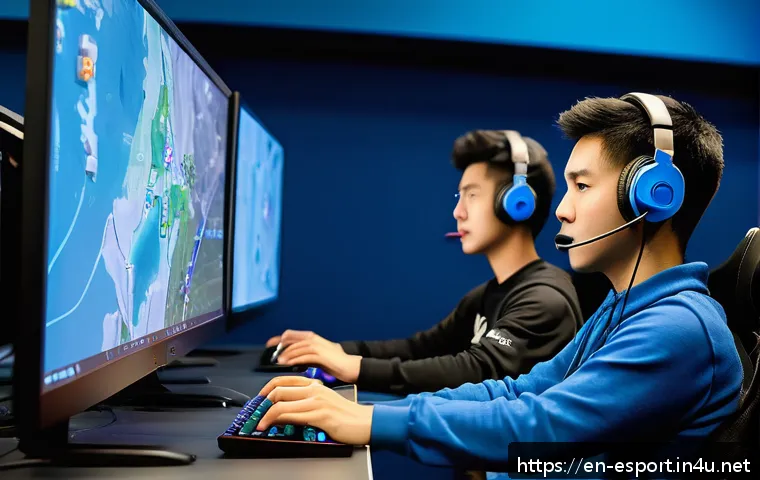
From what I’ve seen and heard from people in the industry, it’s way beyond just powerful PCs and fast monitors. Teams are heavily investing in things like advanced eye-tracking software to analyze a player’s gaze patterns, helping them understand exactly where they’re looking during crucial moments and optimize their reaction times.
Then there’s biometric feedback. Imagine sensors monitoring a player’s heart rate, stress levels, and even muscle activity during intense gameplay. This data helps coaches tailor training regimens that address specific physical and mental responses under pressure.
And let’s not forget about custom-designed peripherals – mice, keyboards, and headsets – all tuned to individual player preferences for maximum comfort and performance.
I’ve even heard of some facilities experimenting with VR simulations for strategic drills, allowing teams to walk through maps and execute complex plays without even touching their main gaming rigs.
It’s all about marginal gains, and these technologies give them that crucial centimeter.
Q: Beyond just gameplay, how do professional esports players maintain their physical and mental health with such demanding schedules?
A: This is something I’ve become incredibly passionate about because it’s so often overlooked, yet it’s absolutely vital for sustained performance. It’s not just about grinding games; it’s a holistic approach, just like any traditional sport.
Pro teams now have dedicated sports psychologists on staff who work with players on mental fortitude, stress management, and maintaining focus during long tournaments.
I’ve heard countless pros talk about how crucial this mental game is. Physically, it’s a huge shift from what it used to be. Many organizations now employ strength and conditioning coaches who develop personalized workout plans to combat repetitive strain injuries and improve overall fitness, which directly impacts reaction time and endurance.
Nutritionists are also a common sight, crafting meal plans designed to optimize energy levels and cognitive function. I personally believe this shift towards prioritizing physical and mental wellness has been one of the biggest game-changers in modern esports, ensuring players aren’t just good, but consistently great, and can sustain their careers for longer.
Q: Is the huge financial investment in these state-of-the-art esports training facilities really worth it for teams? How does it translate to success?
A: That’s a fantastic question, and one I’ve pondered myself given the sheer scale of some of these facilities – we’re talking millions sometimes! From what I’ve personally observed, and speaking to people who run these organizations, the investment absolutely pays off.
Think of it this way: if you’re trying to attract and retain the best talent in a hyper-competitive field, you need to offer them the absolute best environment to thrive.
These facilities provide an unparalleled ecosystem for development. It’s not just about comfortable chairs; it’s about dedicated strategy rooms with advanced analytical tools, soundproof booths for focused practice, and living spaces that foster team cohesion and reduce external stressors.
When players have access to top-tier coaches, nutrition, physical training, and psychological support all under one roof, their potential for improvement skyrockets.
This translates directly to better in-game performance, more tournament wins, increased viewership, and ultimately, a stronger brand for the organization.
It’s a virtuous cycle: invest in the players, they perform better, the team gains more fans and sponsors, and the investment comes back manifold. It solidifies esports as a legitimate professional sport, demanding and receiving serious infrastructure.