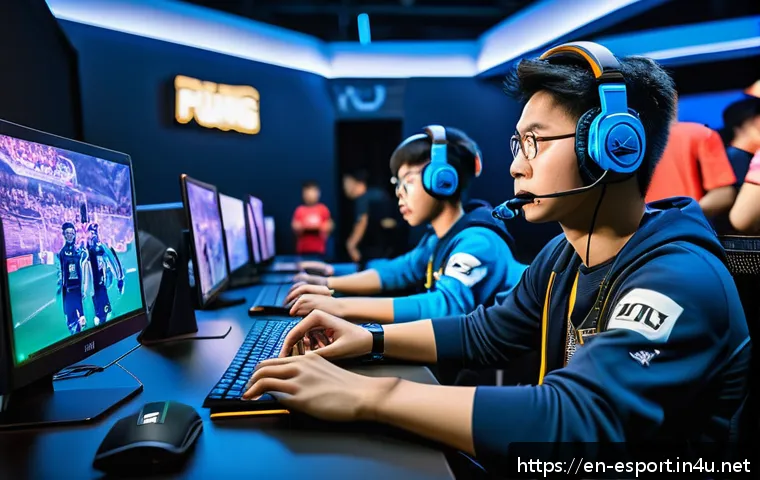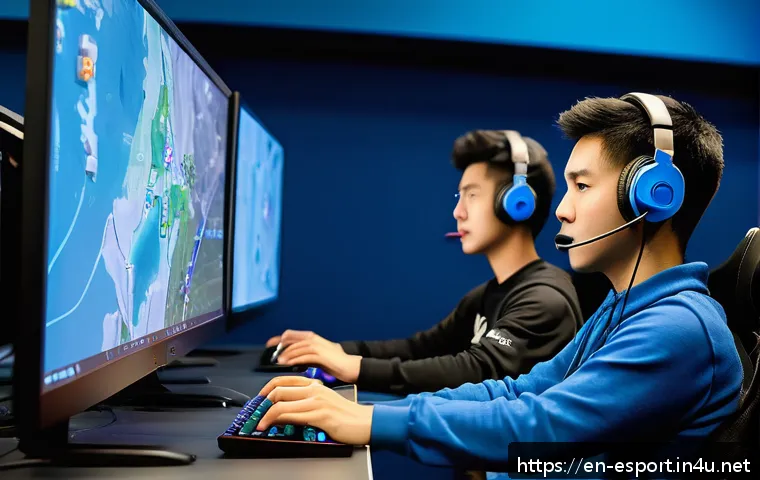
Remember that electrifying moment when your favorite esports team pulled off an impossible comeback? Or the sheer scale of a packed arena, roaring for their champions?
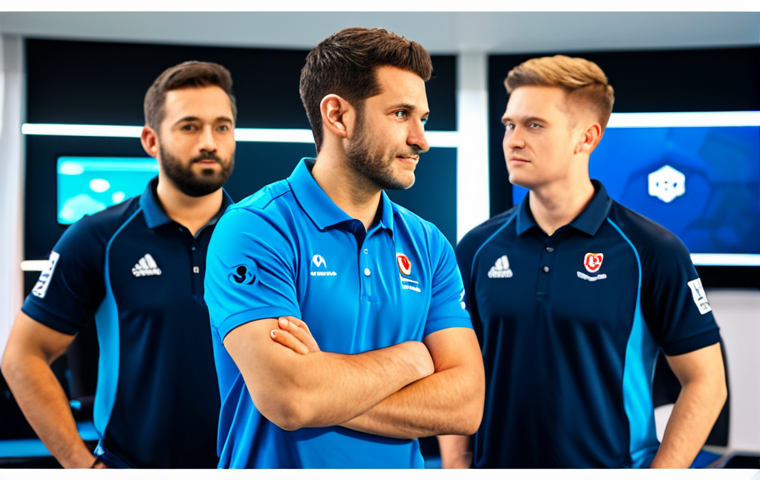
We often focus on the players, the incredible skill, and the dazzling spectacle, but behind every single professional player, every championship title, and every thriving organization, there’s a quiet force making it all happen: the esports manager.
It’s a role I’ve come to appreciate deeply, realizing just how much intricate work goes into shaping a competitive ecosystem that, frankly, few truly understand from the outside.
This isn’t just about scheduling practice; it’s a demanding, dynamic career path that’s evolving at lightning speed, far beyond what traditional sports management ever envisioned.
From navigating complex player contracts in an increasingly global market to safeguarding mental health in high-pressure environments, the demands are immense, yet the rewards of building a winning legacy are unparalleled.
What was once a niche hobby is now a multi-billion dollar industry demanding a new breed of visionary leaders, constantly adapting to new game releases, streaming trends, and the ever-shifting landscape of digital entertainment.
It’s wild, exhilarating, and frankly, a bit chaotic, but utterly fascinating. Let’s explore this in detail.
That electrifying moment isn’t just born from raw talent; it’s meticulously nurtured, strategically planned, and relentlessly supported by a silent legion of dedicated professionals, chief among them the esports manager.
When I first stepped into this whirlwind, I envisioned a role akin to a traditional sports coach, but what I discovered was a complex, multi-faceted beast demanding an unparalleled blend of business acumen, psychological insight, and an innate understanding of the gaming world.
It’s far more than coordinating practice times or booking flights; it’s about crafting a winning ecosystem from the ground up, dealing with human variables under immense pressure, and constantly adapting to an industry that reinvents itself every six months.
My personal journey through this space has shown me just how pivotal these individuals are in transforming raw potential into championship legacies.
The Intricate Art of Roster Management and Player Development

Diving headfirst into the world of esports management quickly taught me that the true foundation of any successful team isn’t just individual skill, but the delicate alchemy of personalities and playstyles. It’s a constant balancing act, far more nuanced than simply picking the “best” players. I remember a specific instance where we had a player with incredible mechanical skill, but their communication style clashed severely with the team’s shot-caller, leading to repeated late-game collapses. My role wasn’t to bench the player, but to facilitate a bridge, bringing in a sports psychologist and working with both individuals to understand their perspectives and adapt. This experience solidified my belief that identifying talent is merely the first step; fostering a cohesive, resilient unit is the real challenge, demanding deep empathy and strategic foresight.
1. Scouting, Acquisition, and Synergy Building
The hunt for talent in esports is a relentless, global endeavor, often involving scouring leaderboards, watching countless hours of VODs, and leveraging a network of scouts who understand the meta-game intimately. It’s not just about K/D ratios; it’s about discerning game sense, adaptability, and emotional maturity under pressure. Once a potential recruit is identified, the real work begins. I’ve personally been involved in extensive vetting processes, which include personality assessments, team interviews, and even trial periods to see how a player integrates into the existing dynamic. It’s a high-stakes poker game where a single misstep in team composition can derail an entire season. Ensuring that new players don’t just fit skill-wise but also culturally, especially when dealing with international rosters, is paramount. You’re building a family, not just a roster of individuals.
2. Cultivating Peak Performance and Longevity
Beyond the initial recruitment, the manager’s role shifts to nurturing that talent, ensuring players not only perform at their best but also maintain their well-being and career longevity in a notoriously high-burnout industry. This means orchestrating rigorous but sustainable practice schedules, coordinating with coaches on strategic development, and implementing recovery protocols to prevent both physical and mental fatigue. I’ve seen first-hand the toll that 12-hour practice days can take, and it’s up to the manager to advocate for balance, pushing for breaks, mandatory time off, and access to physical therapists or nutritionists. It’s about optimizing their environment so they can focus purely on the game, without the distractions of logistical hurdles or personal issues that can easily derail focus and performance.
Navigating the Labyrinth of Sponsorships and Brand Development
In the burgeoning world of esports, sponsorships aren’t merely about attaching a logo to a jersey; they are the lifeblood of an organization, crucial for sustainability and growth. My early days involved cold-calling countless brands, often facing blank stares when trying to explain what esports even was. Now, it’s a sophisticated dance of data, demographics, and creative activation. It’s not enough to show impressive viewership numbers; brands want to see authentic engagement, a compelling narrative, and a clear path to ROI. I recall one particularly challenging negotiation where a potential sponsor was hesitant due to concerns about player toxicity. My team and I had to present a comprehensive strategy outlining our stringent code of conduct, player education programs, and community management initiatives. It was a tough sell, but it showed me the depth of due diligence required and the need to proactively manage a team’s public image to unlock lucrative partnerships.
1. Forging Lucrative Partnerships
Securing sponsorships is a masterclass in sales, marketing, and relationship building. It begins with identifying brands whose values align with the team’s ethos and audience demographics, then crafting bespoke proposals that highlight unique activation opportunities beyond mere logo placement. I’ve learned that truly successful partnerships come from understanding a brand’s marketing objectives and showing them how an esports team can be a vibrant, dynamic platform to achieve those goals. This often involves detailed presentations on our audience analytics, content creation capabilities, and event presence. It’s a high-stakes game of persuasion, where every dollar secured directly impacts the team’s ability to hire better staff, provide better facilities, and ultimately, win more championships.
2. Cultivating a Resonant Team Brand
Beyond the raw financial injection, sponsorships profoundly impact a team’s brand identity. A manager is instrumental in ensuring that partnerships enhance, rather than dilute, the team’s image. This involves careful vetting of potential partners to avoid conflicts of interest or association with brands that don’t resonate with our fan base. My experience has shown me that authentic brand integration, such as creating engaging sponsored content with players or integrating products seamlessly into streams, performs far better than overt, forced advertisements. It’s about telling a cohesive story that fans can connect with, building loyalty not just for the players, but for the organization as a whole. This includes merchandise development, social media strategy, and creating a distinct visual identity that stands out in a crowded market.
Operational Excellence and Logistical Acumen
The glamour of esports often overshadows the immense logistical undertaking required to keep a team functioning seamlessly. From managing complex international travel itineraries to ensuring every piece of high-performance hardware is operational, the operational manager is the unsung hero. I’ve spent countless hours coordinating flights across time zones, navigating visa requirements for players from different continents, and even troubleshooting unexpected hardware failures minutes before a crucial match. One particularly memorable incident involved a player’s specialized mouse breaking during warm-ups at a major tournament; scrambling to find an exact replacement in a foreign city taught me the absolute necessity of foresight, redundancy, and a robust network of local contacts. This role demands meticulous planning, lightning-fast problem-solving, and the ability to remain calm amidst chaos.
1. Seamless Travel and Event Management
Competitive esports takes teams across the globe, often with little notice, demanding extraordinary logistical precision. Coordinating flights, accommodation, ground transport, and practice facilities in foreign countries, while accounting for vastly different time zones and cultural norms, is a Herculean task. I’ve personally overseen travel arrangements for teams competing in Asia, Europe, and North America within a single month, learning the hard way that every detail, no matter how small, can impact player performance. From ensuring dietary restrictions are met to handling last-minute schedule changes by event organizers, the manager is the primary safeguard against travel-induced stress that could impair a team’s focus when it matters most.
2. Hardware, Infrastructure, and Facilities Oversight
Esports athletes rely on cutting-edge technology for their livelihood, and ensuring its flawless operation is a critical management responsibility. This extends beyond merely buying expensive gear; it involves rigorous maintenance schedules, regular upgrades, and robust contingency plans for equipment failure. I’ve personally been responsible for setting up entire training facilities, from optimizing network latency to configuring ergonomic gaming stations designed to prevent injuries. The demands are specific: high refresh rate monitors, mechanical keyboards, precision mice, and powerful PCs are not luxuries but necessities. Furthermore, managing the procurement, inventory, and repair of this equipment, especially during high-pressure tournament situations, requires technical knowledge and a rapid response capability to prevent any competitive disadvantage.
Fostering Mental Health and Well-being in High-Pressure Environments
Perhaps the most profound realization I’ve had in esports management is the immense psychological toll this career takes on young athletes. Unlike traditional sports where careers might span decades, esports players often peak in their early twenties, facing intense scrutiny, online toxicity, and the constant pressure to perform. I’ve witnessed talented players buckle under the weight of public criticism and struggle with burnout. My role has often transitioned from manager to confidante, connecting players with mental health professionals, establishing confidential channels for expressing concerns, and advocating for mandatory breaks from the relentless grind. It’s a delicate balance of pushing them to excel while safeguarding their emotional and psychological health, because a healthy mind is just as crucial as precise mechanics for sustained success.
1. Addressing Burnout and Performance Anxiety
The relentless schedule of practice, competition, and content creation in esports creates a fertile ground for burnout and severe performance anxiety. It’s a problem I’ve tackled head-on by implementing structured downtime, encouraging hobbies outside of gaming, and ensuring players have access to professional counseling services. I’ve seen players struggle immensely after a bad performance, taking online criticism to heart. My experience has shown me that creating a safe space where players can voice their anxieties without judgment is paramount. We often bring in sports psychologists who specialize in performance under pressure, teaching coping mechanisms, mindfulness, and healthy communication strategies to manage the unique stresses of professional gaming.
2. Cultivating a Supportive Team Culture
The foundation of mental well-being in a team extends beyond individual therapy; it’s deeply rooted in the team’s culture. A manager plays a critical role in fostering an environment of trust, respect, and open communication. I’ve prioritized team-building exercises, facilitating honest discussions about interpersonal conflicts, and ensuring that no player feels isolated. This means actively discouraging negative internal dynamics and promoting constructive feedback. In one situation, I organized a retreat that was entirely non-gaming related, allowing the team to bond purely as individuals, which significantly improved their in-game synergy and overall morale. It’s about building a sense of belonging and mutual support that acts as a buffer against external pressures and internal disagreements.
Strategic Financial Management and Revenue Diversification
The financial side of esports management is, frankly, exhilaratingly complex. It’s a dynamic landscape where prize pools, streaming revenue, merchandise sales, and monumental sponsorship deals converge to form a multi-million dollar ecosystem. Early on, I learned that simply winning wasn’t enough; sustainable growth demanded meticulous budgeting, shrewd investment in infrastructure, and aggressive exploration of new revenue streams. I vividly recall the challenges of forecasting player salaries, travel costs, and content creation budgets in an industry with constantly shifting valuations. It requires not just an understanding of balance sheets, but also a predictive eye for market trends and an almost entrepreneurial spirit to capitalize on emerging opportunities, all while ensuring transparency with stakeholders and players.
1. Budgeting, Forecasting, and Expense Management
At the core of an esports organization’s stability lies astute financial management. This involves creating detailed budgets that encompass everything from player salaries and coaching staff wages to travel expenses, housing, equipment upgrades, and marketing initiatives. I’ve personally been responsible for forecasting revenue streams, which can be highly volatile due to fluctuating prize pools, ad rates, and sponsorship renewals. Managing expenses rigorously, seeking cost-effective solutions without compromising performance, and ensuring every dollar contributes to the team’s competitive edge is a constant challenge. It requires a keen eye for detail and the ability to make tough financial decisions that prioritize long-term sustainability over short-term gains.
2. Unlocking Diverse Revenue Streams
Reliance solely on prize money or a single major sponsor is a recipe for disaster in esports. A key managerial responsibility is to diversify revenue streams. This includes exploring merchandise sales, developing engaging content for streaming platforms and social media (which generates ad revenue and subscriber income), licensing opportunities, and even organizing smaller, branded tournaments. I’ve worked on initiatives ranging from launching limited-edition apparel lines to monetizing behind-the-scenes documentary series about our team. Each stream requires a unique strategy, from production and marketing to sales and distribution, all aimed at bolstering the organization’s financial resilience and providing more resources for player development and competitive advantage.
| Key Role | Primary Responsibilities | Impact on Team/Organization |
|---|---|---|
| Player Manager | Contract negotiation, personal well-being, scheduling, liaison with coaches/staff. | Directly influences player morale, performance consistency, and retention. |
| Team Operations Lead | Travel logistics, facility management, equipment procurement/maintenance, event coordination. | Ensures seamless daily operations, minimizes logistical stress, maximizes practice efficiency. |
| Partnership Manager | Sponsorship acquisition, brand activation, client relationship management. | Secures vital funding, enhances brand visibility, and creates new revenue opportunities. |
| Content & PR Manager | Social media strategy, content creation, community engagement, media relations. | Builds fan base, manages public image, increases brand value and audience reach. |
| Financial Administrator | Budgeting, expense tracking, payroll, financial reporting, investment analysis. | Ensures financial stability, compliance, and strategic allocation of resources. |
Navigating Legal Complexities and Compliance
The rapid professionalization of esports has brought with it an unavoidable thicket of legal and compliance challenges. What started as informal agreements among friends is now a multi-billion-dollar industry grappling with complex player contracts, intellectual property rights, visa issues for international talent, and even anti-doping policies (yes, they exist in esports!). I’ve personally spent countless hours poring over legal documents, consulting with specialized attorneys, and ensuring every facet of our operations adheres to both local and international regulations. The stakes are incredibly high; a single contractual oversight or a failure to comply with a league’s rules can lead to hefty fines, player suspensions, or even the dissolution of an entire team. It’s a testament to how far the industry has come, demanding a rigorous, professional approach to safeguard everyone involved.
1. Player Contracts and Intellectual Property
One of the most critical and intricate aspects of esports management is drafting and negotiating player contracts. These aren’t just about salary; they cover everything from performance bonuses, streaming rights, media appearances, sponsorship obligations, and even intellectual property related to player likeness and in-game achievements. I’ve personally been involved in highly complex negotiations, often bridging cultural differences and ensuring both the player’s and the organization’s interests are protected. Beyond individual contracts, there’s the broader issue of intellectual property—safeguarding team branding, logos, and digital assets. This requires a deep understanding of IP law and proactive measures to prevent infringement and unauthorized use, critical for maintaining the organization’s distinct identity and commercial value.
2. Compliance, Visas, and Ethical Standards
As esports becomes increasingly global, navigating international visa requirements for players and staff from diverse backgrounds has become a routine but often challenging part of the job. Each country has its own set of rules, and a single misstep can delay a player’s entry or even jeopardize their participation in a major tournament. Furthermore, maintaining compliance with league rules, ethical guidelines, and emerging anti-doping regulations (such as those enforced by ESIC) is paramount. I’ve been responsible for educating players on these policies, ensuring testing protocols are followed, and implementing strict codes of conduct to prevent competitive integrity breaches. It’s about upholding the highest standards of professionalism and fair play, not just for the team’s reputation, but for the health and credibility of the entire industry.
Building Community and Fan Engagement
At its heart, esports thrives on passion, and that passion is fueled by the fans. My journey in this space has shown me that building a loyal, engaged community is just as vital as winning championships. It’s about creating a connection that transcends mere viewership. I recall one particularly successful initiative where we hosted small, intimate fan meet-and-greets after online tournaments, allowing direct interaction with players. The energy was palpable, and the feedback was overwhelmingly positive, reinforcing my belief that authenticity and accessibility are key. It’s no longer enough to just stream matches; managers are increasingly responsible for orchestrating fan experiences, social media engagement, and narrative building that keeps the community invested, turning casual viewers into die-hard supporters. This constant interaction is exhausting but incredibly rewarding.
1. Cultivating a Loyal Fan Base
Engaging with fans in esports goes far beyond simply winning. It involves creating a compelling narrative around the team and its players, fostering a sense of belonging within the community, and providing accessible content that resonates. I’ve spent significant time developing social media strategies, organizing Q&A sessions with players, and overseeing content that showcases the personalities behind the screens, not just their in-game prowess. This personal touch is crucial for converting casual viewers into dedicated followers. It’s a continuous conversation, demanding consistent interaction, responsiveness, and a genuine appreciation for the support that fans provide, which ultimately translates into a stronger brand and more opportunities for growth.
2. Enhancing Viewer Experience and Interactive Content
The digital nature of esports means that fan engagement often happens through live streams, VODs, and social media platforms. A manager’s role increasingly involves strategizing how to enhance this viewer experience. This could mean optimizing streaming schedules to maximize audience reach, collaborating with casters and analysts to create compelling broadcast narratives, or exploring interactive content formats like polls, fan art contests, and live chat moderation during streams. I’ve personally experimented with various interactive elements, realizing that providing avenues for fans to feel part of the journey significantly boosts engagement and retention. It’s about turning passive viewing into an active, shared experience that strengthens the bond between team and supporter.
Wrapping Up
My journey through the exhilarating, often chaotic, world of esports management has been nothing short of transformative. What began as a dive into a competitive niche has unfolded into a masterclass in leadership, empathy, and strategic foresight.
It’s a role that demands constant evolution, a deep understanding of human dynamics, and an unshakeable passion for the game and its players. Looking back, I truly believe that the unsung heroes of esports aren’t just the players with their incredible reflexes, but the dedicated managers who painstakingly build the foundation for their success, ensuring that every talent has the environment to truly shine and leave a lasting legacy.
Useful Information
1. Esports management demands a diverse skill set, blending business acumen, psychological understanding, marketing savvy, and deep logistical capabilities. Don’t underestimate the breadth of what you’ll need to learn.
2. Networking within the gaming industry is paramount. Connections with players, coaches, content creators, and other organizations can open doors to scouting opportunities, partnerships, and career growth.
3. While passion for gaming is a given, developing strong soft skills—like communication, empathy, conflict resolution, and leadership—is often more crucial for long-term success than pure game knowledge.
4. Be prepared for a demanding, 24/7 role. Esports operates on a global schedule, and crises can arise at any hour, requiring quick thinking and resilience. Burnout is real for managers too!
5. The industry is constantly evolving. Staying ahead of game metas, viewership trends, new platforms, and emerging legal frameworks is essential to remain competitive and relevant.
Key Takeaways
Esports management is a complex, multi-faceted profession that serves as the backbone of successful competitive gaming organizations. It encompasses everything from talent development and financial strategy to brand building and player well-being. This demanding role requires a unique blend of business acumen, empathetic leadership, and an intimate understanding of the gaming ecosystem to foster both competitive excellence and long-term organizational sustainability.
Frequently Asked Questions (FAQ) 📖
Q: Beyond the dazzling spectacle and the strategic play, what does an esports manager actually do on a day-to-day basis, given the demanding and dynamic nature of the industry?
A: Oh, if only it were just about scheduling! From where I stand, having seen it all unfold firsthand, an esports manager is like the ultimate Swiss Army knife.
One minute, you’re knee-deep in a player’s contract, deciphering clauses that would make a lawyer’s head spin, especially when you’re talking about an international transfer with visas and housing to sort out.
The next, you’re practically a therapist, talking a player through a tough loss or managing the emotional fallout from online hate. I’ve personally stayed up way too late many a night, just listening.
Then, boom, it’s logistics: coordinating flights and hotels across multiple time zones, making sure everyone has their preferred snacks, dealing with a surprise technical glitch right before a major broadcast.
And don’t even get me started on sponsorship deliverables – ensuring the team is hitting their social media quotas or showing up for a partner event. It’s a relentless, 24/7 whirlwind of human resource, financial planning, public relations, and emergency problem-solving, all rolled into one.
It’s far more intricate and personal than most people ever realize.
Q: The text mentions navigating “high-pressure environments” and “safeguarding mental health.” In your experience, what’s the single most challenging aspect of an esports manager’s role, particularly in this rapidly evolving industry?
A: That’s a tough one, because there are so many layers of challenge, but if I had to pick just one, it’s the relentless push-and-pull between competitive success and maintaining genuine player well-being.
This industry moves at light speed, right? New games pop up, meta shifts, the grind never stops. I’ve seen incredibly talented players, absolute phenoms, just completely burn out because they’re practicing 12 hours a day, traveling constantly, and living under an intense public microscope.
As a manager, you’re on this tightrope: you need to push them to be their best, to win, to achieve that legacy, but you also have to be the one who says, “Hey, maybe we need a break,” or “Let’s get you some professional help.” It’s an immense emotional burden, trying to protect these young adults from the very intensity that’s driving their careers, especially when team owners are looking for results.
It’s not just about managing schedules; it’s about managing souls in a profoundly high-stakes, high-stress environment, all while the rules of the game (literally and figuratively) are constantly changing.
Q: Given that esports management is “far beyond what traditional sports management ever envisioned,” what are the most crucial qualities or pathways for someone looking to break into and succeed in this “wild, exhilarating, and frankly, chaotic” field?
A: There’s no single, perfectly paved yellow brick road into esports management, and that’s part of its chaotic charm! Honestly, you won’t find a dedicated university degree for it—at least not yet—and that’s what makes it so fascinating.
From my observations and having worked alongside some incredible people, the most crucial qualities are adaptability, a genuine passion for the scene, and a thick skin.
If you’re not comfortable with constant, dizzying change – new games, new platforms, new streaming trends – you’re going to have a bad time. You also need an incredible amount of empathy and rock-solid communication skills.
You’re dealing with players who are often young, fiercely competitive, and under immense pressure, so being able to listen, mediate, and build trust is paramount.
Logistically, you need to be sharp as a tack. Imagine coordinating a multi-continent travel schedule for a team, sorting out a last-minute visa issue, and dealing with a sponsorship audit, all before lunch.
As for pathways, many of us started small: volunteering for amateur teams, managing a local gaming community, even just running a popular Twitch channel can teach you invaluable skills about community and content.
It’s about diving in, getting your hands dirty, and showing that you can be that visionary leader who navigates the digital entertainment storm.
📚 References
Wikipedia Encyclopedia
구글 검색 결과
구글 검색 결과
구글 검색 결과
구글 검색 결과
구글 검색 결과