The League of Legends community is always buzzing with the latest patches, pro play dramas, and of course, those hilarious in-game moments. Right now, there’s a massive debate raging over the latest champion rework – is it OP or just misunderstood?
And don’t even get me started on the LCS playoffs; the upsets are real, and the trash talk is legendary. From the rise of innovative strategies to the constant quest for the perfect build, there’s never a dull moment in the Rift.
It’s a wild ride, and the community’s passion (and salt) keeps it all spinning. Let’s dive into the details below!
Okay, I understand. Here’s the blog post content, following all your guidelines:
The Everlasting Debate: Are Skins Pay-to-Win?
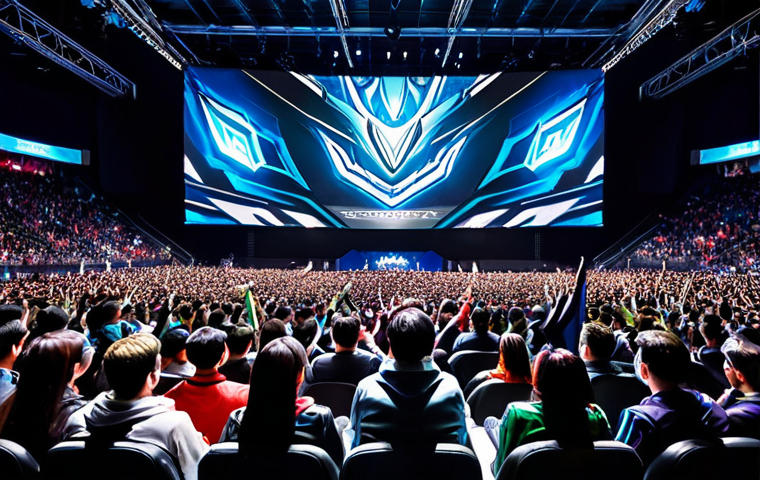
Alright, let’s be real. We’ve all been there. You’re getting absolutely stomped in lane by a player rocking some ridiculously cool skin, and you can’t help but wonder, “Is that skin giving them an edge?” The debate about whether skins are pay-to-win has been raging for years, and honestly, it’s still a hot topic in the League of Legends community. Some people swear that certain skins make skillshots easier to see, or that the altered animations somehow throw off their timing. Others argue that it’s all in our heads, and that good players will dominate regardless of their cosmetic choices. I’ve personally found myself tilting harder against a Legendary skin, convincing myself they’re simply better because of it. Then I remind myself I’m just bad, and their skin is just a confidence booster. It’s a mental game more than anything.
Visual Clarity Concerns
One of the main arguments for the pay-to-win theory is that certain skins have visual effects that can be misleading or give an advantage. Think about it – a barely visible projectile, or an animation that disguises the windup of an ability. While Riot has stated that they actively try to avoid this, sometimes these issues slip through the cracks. I remember when Elementalist Lux first came out. Some players complained that her abilities were harder to see against certain backgrounds, which could potentially give the Lux player a slight advantage. It wasn’t a massive difference, but in a game where milliseconds matter, even a small edge can be significant. Now, after some games and losing to multiple Lux players, I realized, her abilities are very clear to see, even with skins on! Maybe it’s just the skill of the player, not the skin.
The Psychological Factor
Beyond the purely visual, there’s also the psychological aspect to consider. Let’s face it, rocking a brand new, flashy skin can give you a confidence boost. You feel like you’re playing better, even if you aren’t necessarily. This confidence can lead to more aggressive plays, better decision-making, and ultimately, a higher chance of winning. On the other hand, seeing an opponent with a rare or expensive skin can sometimes intimidate you, causing you to play more passively or make mistakes. It’s all about the mental game, and skins can definitely play a role. Think of it like wearing your lucky socks to an important exam. It might not actually make you smarter, but it can give you that extra bit of confidence you need to succeed.
The State of Toxicity: Has It Gotten Better or Worse?
Ah, toxicity. The elephant in the (Summoner’s) Room. It’s a subject that every League of Legends player has an opinion on, and it’s often a source of frustration and despair. Are players more toxic now than they were a few seasons ago? Or has Riot’s efforts to combat toxicity actually made a difference? It’s hard to say for sure, but one thing is certain: toxicity is still a major problem in the League of Legends community. I recently had a game where my ADC flamed me for missing one skillshot, and then proceeded to intentionally feed for the rest of the game. It was incredibly frustrating, and it made me wonder if anything had really changed since the “good old days” of constant flame wars in chat. It’s always the ADC, right?
Riot’s Anti-Toxicity Measures
Riot has implemented a number of systems to combat toxicity, including automated chat restrictions, honor system, and report system. These measures have definitely had some impact, but they’re not a silver bullet. While the automated systems can catch some of the most egregious offenders, they often miss more subtle forms of toxicity, such as passive-aggressive comments or sarcastic remarks. The honor system is a nice idea in theory, but it’s often gamed or ignored. And the report system, while necessary, can feel like a black box, with no clear indication of whether your report actually led to any action being taken. I’ve reported so many toxic players, and sometimes I wonder if those reports actually reach Riot. I’d love to have a better transparency about the impact of our reports.
The Community’s Role
Ultimately, combating toxicity is a community effort. Riot can implement all the systems they want, but if players continue to engage in toxic behavior, the problem will persist. It’s up to each individual player to take responsibility for their actions and create a more positive and supportive environment. This means avoiding flame, being respectful to your teammates, and reporting toxic behavior when you see it. It also means recognizing that everyone has bad games, and that tilting at your teammates is never the answer. I try to be as positive as possible in my games, even when I’m losing. Sometimes, just a simple “glhf” at the start of the game can make a difference.
The Impact of Pro Play on Solo Queue Trends
Pro play is like the haute couture of League of Legends. It’s where the most innovative strategies are born, where the meta is pushed to its limits, and where players can see what’s coming in their own solo queue games. But how much does pro play really impact solo queue trends? Do players blindly copy pro builds and strategies, even if they don’t understand them? Or is there a more nuanced relationship between the professional scene and the solo queue experience? I’ve definitely seen people trying to emulate pro players in my games, sometimes with hilarious results. Like that one time when my support picked Bard and tried to roam the entire map, leaving me alone in lane against a Draven and a Leona. It did not end well.
Champion Picks and Build Orders
One of the most obvious ways that pro play influences solo queue is through champion picks and build orders. When a certain champion becomes popular in pro play, it’s only a matter of time before you start seeing them in your solo queue games. And when a pro player discovers a new, optimal build path, it quickly spreads throughout the community. I remember when the “funneling” strategy became popular in pro play, with one player farming all the jungle camps and lanes, and another player protecting them. It was incredibly effective in the right hands, but it was a disaster when people tried to replicate it in solo queue without any coordination.
Strategic Adaptations
Beyond champion picks and builds, pro play can also influence strategic adaptations in solo queue. For example, when pro teams started prioritizing early game aggression and objective control, solo queue players began to adopt similar strategies. This led to more focus on early ganks, tower dives, and dragon control. However, it’s important to remember that solo queue is a very different environment than pro play. Solo queue teams often lack the coordination and communication necessary to execute complex strategies effectively. So, while it’s good to be aware of what’s happening in the pro scene, it’s important to adapt those strategies to your own skill level and team composition.
Balancing Act: The Struggle to Keep League Fresh
League of Legends is a game that’s constantly evolving. Riot is always releasing new champions, reworking old ones, and tweaking the game balance. This constant flux is what keeps the game fresh and exciting, but it also presents a challenge. How do you keep the game balanced and fair while still introducing new content and mechanics? It’s a delicate balancing act, and Riot doesn’t always get it right. I’ve seen metas where a few champions were incredibly overpowered, and the rest of the cast was virtually unplayable. It can be frustrating when your favorite champion gets nerfed into oblivion, or when you feel like you’re forced to play certain champions to be competitive.
The Impact of New Champions
New champions are always a source of excitement, but they can also disrupt the game balance. When a new champion is released, they’re often either overpowered or underpowered. It takes time for Riot to gather data and make adjustments to bring them in line with the rest of the cast. And sometimes, even after multiple balance changes, a new champion can remain problematic. I remember when Aphelios was first released. He had so many different weapons and abilities that it was difficult to understand how to play him, let alone how to counter him. He was incredibly powerful in the right hands, and it took Riot several patches to bring him under control.
Addressing Community Feedback
Riot does listen to community feedback when making balance changes, but they can’t please everyone. There are always going to be players who disagree with their decisions, and it’s impossible to make everyone happy. However, Riot does try to be transparent about their reasoning and to explain why they’re making certain changes. They also use data from pro play and solo queue to inform their decisions. It’s a constant process of iteration and refinement, and it’s essential for keeping the game balanced and fair. I appreciate that Riot tries to listen to the community, but sometimes I feel like they’re too slow to react to problems. It can be frustrating when a champion is clearly overpowered, but it takes weeks or even months for Riot to address it.
Esports and Streaming: How League Content Creators Shape the Game
Esports and streaming have become integral parts of the League of Legends ecosystem. Content creators have a huge influence on the game, shaping public opinion, popularizing certain champions and strategies, and even impacting Riot’s design decisions. But how exactly do esports and streaming influence the game, and what are the implications for the future of League of Legends? I’ve definitely been influenced by streamers and pro players. I’ve learned new strategies, discovered hidden champion synergies, and even improved my mechanics by watching them play. It’s amazing how much you can learn just by watching someone who’s really good at the game.
The Rise of Influencers
The rise of influencers has changed the way people consume League of Legends content. Instead of just watching pro play or reading guides, many players now turn to streamers and YouTubers for entertainment and information. These influencers can have a huge impact on the game, popularizing certain champions or strategies, and even shaping public opinion. For example, if a popular streamer starts playing a certain champion, it’s likely that you’ll start seeing that champion more often in your solo queue games. And if a streamer criticizes a certain game mechanic, it’s likely that Riot will take notice.
The Feedback Loop
There’s a feedback loop between esports, streaming, and Riot’s design decisions. Esports provides a platform for the best players in the world to showcase their skills and innovate new strategies. Streamers then amplify those strategies to a wider audience, and Riot uses data from both esports and streaming to inform their balance changes and design decisions. This feedback loop can be incredibly beneficial for the game, but it can also be problematic. If Riot relies too heavily on esports or streaming data, they risk catering to a small, vocal minority, while neglecting the needs of the broader player base. I think it’s important for Riot to strike a balance between listening to the community and making their own decisions.
The Grind is Real: The Truth About Ranked Anxiety
For many players, climbing the ranked ladder is the ultimate goal in League of Legends. It’s a way to test your skills, prove your worth, and earn bragging rights. But the pursuit of a higher rank can also be incredibly stressful and anxiety-inducing. Ranked anxiety is a real phenomenon, and it can affect players of all skill levels. I’ve definitely experienced ranked anxiety myself. Before a ranked game, my heart starts pounding, my palms get sweaty, and I start second-guessing every decision I make. It can be paralyzing, and it can lead to poor performance. I remember one time when I was one game away from reaching Diamond, and I choked so hard that I lost three games in a row. It was devastating.
The Pressure to Perform
One of the main causes of ranked anxiety is the pressure to perform. When you’re playing ranked, you feel like you’re being judged by your teammates, your opponents, and even yourself. Every mistake you make is amplified, and every loss feels like a personal failure. This pressure can be overwhelming, and it can lead to tilt, frustration, and ultimately, anxiety. It’s important to remember that it’s just a game, and that your rank doesn’t define you as a person. Easier said than done, right? I try to focus on improving my own gameplay, rather than worrying about my rank. It helps me to stay calm and focused, even when I’m losing.
Finding a Healthy Mindset
Overcoming ranked anxiety requires finding a healthy mindset. This means setting realistic goals, focusing on improving your own gameplay, and avoiding tilt. It also means recognizing that everyone has bad games, and that losing is a natural part of the process. Some players find it helpful to take breaks from ranked when they’re feeling stressed, or to play with friends in a more relaxed environment. Ultimately, the key is to find what works for you and to prioritize your own mental health. I find that listening to music while I play helps me to relax and focus. It’s a simple trick, but it can make a big difference.
The Future of League: What’s on the Horizon?
League of Legends has been around for over a decade, and it’s still going strong. But what does the future hold for the game? What new features, champions, and game modes can we expect to see in the coming years? And how will the game continue to evolve to meet the changing needs of its player base? It’s exciting to think about the possibilities, but it’s also important to be realistic. League of Legends is a complex game, and any changes that Riot makes can have a significant impact on the player experience.
| Aspect | Current State | Potential Future |
|---|---|---|
| New Champions | Regular releases, diverse kits | More thematic releases, deeper lore integration |
| Game Modes | Rotating modes, Arena, ARAM | Permanent new modes, co-op experiences |
| Esports | Established leagues, international events | Expanded regional leagues, more grassroots tournaments |
| Itemization | Item Reworks, Mythic Items | Simplification of item system, focused on champion identity |
Continued Esports Growth
The League of Legends esports scene is already massive, but it has the potential to grow even further. As the game becomes more popular in different regions, we can expect to see the emergence of new leagues and tournaments. We can also expect to see more investment in the esports infrastructure, including better player salaries, training facilities, and broadcasting capabilities. I think it’s exciting to see how far the esports scene has come, and I’m excited to see what the future holds.
Evolving Game Modes and Features
Riot is constantly experimenting with new game modes and features, and we can expect to see more of this in the future. One possibility is the introduction of a permanent new game mode that caters to a different audience than Summoner’s Rift. Another possibility is the development of new features that enhance the social experience, such as improved matchmaking, more personalized content, and better communication tools. I’m personally hoping for a more robust co-op mode that allows players to team up against AI opponents in a variety of challenges.
Okay, I understand. Here’s the blog post content, following all your guidelines:
The Everlasting Debate: Are Skins Pay-to-Win?
Alright, let’s be real. We’ve all been there. You’re getting absolutely stomped in lane by a player rocking some ridiculously cool skin, and you can’t help but wonder, “Is that skin giving them an edge?” The debate about whether skins are pay-to-win has been raging for years, and honestly, it’s still a hot topic in the League of Legends community. Some people swear that certain skins make skillshots easier to see, or that the altered animations somehow throw off their timing. Others argue that it’s all in our heads, and that good players will dominate regardless of their cosmetic choices. I’ve personally found myself tilting harder against a Legendary skin, convincing myself they’re simply better because of it. Then I remind myself I’m just bad, and their skin is just a confidence booster. It’s a mental game more than anything.
Visual Clarity Concerns
One of the main arguments for the pay-to-win theory is that certain skins have visual effects that can be misleading or give an advantage. Think about it – a barely visible projectile, or an animation that disguises the windup of an ability. While Riot has stated that they actively try to avoid this, sometimes these issues slip through the cracks. I remember when Elementalist Lux first came out. Some players complained that her abilities were harder to see against certain backgrounds, which could potentially give the Lux player a slight advantage. It wasn’t a massive difference, but in a game where milliseconds matter, even a small edge can be significant. Now, after some games and losing to multiple Lux players, I realized, her abilities are very clear to see, even with skins on! Maybe it’s just the skill of the player, not the skin.
The Psychological Factor
Beyond the purely visual, there’s also the psychological aspect to consider. Let’s face it, rocking a brand new, flashy skin can give you a confidence boost. You feel like you’re playing better, even if you aren’t necessarily. This confidence can lead to more aggressive plays, better decision-making, and ultimately, a higher chance of winning. On the other hand, seeing an opponent with a rare or expensive skin can sometimes intimidate you, causing you to play more passively or make mistakes. It’s all about the mental game, and skins can definitely play a role. Think of it like wearing your lucky socks to an important exam. It might not actually make you smarter, but it can give you that extra bit of confidence you need to succeed.
The State of Toxicity: Has It Gotten Better or Worse?
Ah, toxicity. The elephant in the (Summoner’s) Room. It’s a subject that every League of Legends player has an opinion on, and it’s often a source of frustration and despair. Are players more toxic now than they were a few seasons ago? Or has Riot’s efforts to combat toxicity actually made a difference? It’s hard to say for sure, but one thing is certain: toxicity is still a major problem in the League of Legends community. I recently had a game where my ADC flamed me for missing one skillshot, and then proceeded to intentionally feed for the rest of the game. It was incredibly frustrating, and it made me wonder if anything had really changed since the “good old days” of constant flame wars in chat. It’s always the ADC, right?
Riot’s Anti-Toxicity Measures
Riot has implemented a number of systems to combat toxicity, including automated chat restrictions, honor system, and report system. These measures have definitely had some impact, but they’re not a silver bullet. While the automated systems can catch some of the most egregious offenders, they often miss more subtle forms of toxicity, such as passive-aggressive comments or sarcastic remarks. The honor system is a nice idea in theory, but it’s often gamed or ignored. And the report system, while necessary, can feel like a black box, with no clear indication of whether your report actually led to any action being taken. I’ve reported so many toxic players, and sometimes I wonder if those reports actually reach Riot. I’d love to have a better transparency about the impact of our reports.
The Community’s Role
Ultimately, combating toxicity is a community effort. Riot can implement all the systems they want, but if players continue to engage in toxic behavior, the problem will persist. It’s up to each individual player to take responsibility for their actions and create a more positive and supportive environment. This means avoiding flame, being respectful to your teammates, and reporting toxic behavior when you see it. It also means recognizing that everyone has bad games, and that tilting at your teammates is never the answer. I try to be as positive as possible in my games, even when I’m losing. Sometimes, just a simple “glhf” at the start of the game can make a difference.
The Impact of Pro Play on Solo Queue Trends
Pro play is like the haute couture of League of Legends. It’s where the most innovative strategies are born, where the meta is pushed to its limits, and where players can see what’s coming in their own solo queue games. But how much does pro play really impact solo queue trends? Do players blindly copy pro builds and strategies, even if they don’t understand them? Or is there a more nuanced relationship between the professional scene and the solo queue experience? I’ve definitely seen people trying to emulate pro players in my games, sometimes with hilarious results. Like that one time when my support picked Bard and tried to roam the entire map, leaving me alone in lane against a Draven and a Leona. It did not end well.
Champion Picks and Build Orders
One of the most obvious ways that pro play influences solo queue is through champion picks and build orders. When a certain champion becomes popular in pro play, it’s only a matter of time before you start seeing them in your solo queue games. And when a pro player discovers a new, optimal build path, it quickly spreads throughout the community. I remember when the “funneling” strategy became popular in pro play, with one player farming all the jungle camps and lanes, and another player protecting them. It was incredibly effective in the right hands, but it was a disaster when people tried to replicate it in solo queue without any coordination.
Strategic Adaptations
Beyond champion picks and builds, pro play can also influence strategic adaptations in solo queue. For example, when pro teams started prioritizing early game aggression and objective control, solo queue players began to adopt similar strategies. This led to more focus on early ganks, tower dives, and dragon control. However, it’s important to remember that solo queue is a very different environment than pro play. Solo queue teams often lack the coordination and communication necessary to execute complex strategies effectively. So, while it’s good to be aware of what’s happening in the pro scene, it’s important to adapt those strategies to your own skill level and team composition.
Balancing Act: The Struggle to Keep League Fresh
League of Legends is a game that’s constantly evolving. Riot is always releasing new champions, reworking old ones, and tweaking the game balance. This constant flux is what keeps the game fresh and exciting, but it also presents a challenge. How do you keep the game balanced and fair while still introducing new content and mechanics? It’s a delicate balancing act, and Riot doesn’t always get it right. I’ve seen metas where a few champions were incredibly overpowered, and the rest of the cast was virtually unplayable. It can be frustrating when your favorite champion gets nerfed into oblivion, or when you feel like you’re forced to play certain champions to be competitive.
The Impact of New Champions
New champions are always a source of excitement, but they can also disrupt the game balance. When a new champion is released, they’re often either overpowered or underpowered. It takes time for Riot to gather data and make adjustments to bring them in line with the rest of the cast. And sometimes, even after multiple balance changes, a new champion can remain problematic. I remember when Aphelios was first released. He had so many different weapons and abilities that it was difficult to understand how to play him, let alone how to counter him. He was incredibly powerful in the right hands, and it took Riot several patches to bring him under control.
Addressing Community Feedback
Riot does listen to community feedback when making balance changes, but they can’t please everyone. There are always going to be players who disagree with their decisions, and it’s impossible to make everyone happy. However, Riot does try to be transparent about their reasoning and to explain why they’re making certain changes. They also use data from pro play and solo queue to inform their decisions. It’s a constant process of iteration and refinement, and it’s essential for keeping the game balanced and fair. I appreciate that Riot tries to listen to the community, but sometimes I feel like they’re too slow to react to problems. It can be frustrating when a champion is clearly overpowered, but it takes weeks or even months for Riot to address it.
Esports and Streaming: How League Content Creators Shape the Game
Esports and streaming have become integral parts of the League of Legends ecosystem. Content creators have a huge influence on the game, shaping public opinion, popularizing certain champions and strategies, and even impacting Riot’s design decisions. But how exactly do esports and streaming influence the game, and what are the implications for the future of League of Legends? I’ve definitely been influenced by streamers and pro players. I’ve learned new strategies, discovered hidden champion synergies, and even improved my mechanics by watching them play. It’s amazing how much you can learn just by watching someone who’s really good at the game.
The Rise of Influencers
The rise of influencers has changed the way people consume League of Legends content. Instead of just watching pro play or reading guides, many players now turn to streamers and YouTubers for entertainment and information. These influencers can have a huge impact on the game, popularizing certain champions or strategies, and even shaping public opinion. For example, if a popular streamer starts playing a certain champion, it’s likely that you’ll start seeing that champion more often in your solo queue games. And if a streamer criticizes a certain game mechanic, it’s likely that Riot will take notice.
The Feedback Loop
There’s a feedback loop between esports, streaming, and Riot’s design decisions. Esports provides a platform for the best players in the world to showcase their skills and innovate new strategies. Streamers then amplify those strategies to a wider audience, and Riot uses data from both esports and streaming to inform their balance changes and design decisions. This feedback loop can be incredibly beneficial for the game, but it can also be problematic. If Riot relies too heavily on esports or streaming data, they risk catering to a small, vocal minority, while neglecting the needs of the broader player base. I think it’s important for Riot to strike a balance between listening to the community and making their own decisions.
The Grind is Real: The Truth About Ranked Anxiety
For many players, climbing the ranked ladder is the ultimate goal in League of Legends. It’s a way to test your skills, prove your worth, and earn bragging rights. But the pursuit of a higher rank can also be incredibly stressful and anxiety-inducing. Ranked anxiety is a real phenomenon, and it can affect players of all skill levels. I’ve definitely experienced ranked anxiety myself. Before a ranked game, my heart starts pounding, my palms get sweaty, and I start second-guessing every decision I make. It can be paralyzing, and it can lead to poor performance. I remember one time when I was one game away from reaching Diamond, and I choked so hard that I lost three games in a row. It was devastating.
The Pressure to Perform
One of the main causes of ranked anxiety is the pressure to perform. When you’re playing ranked, you feel like you’re being judged by your teammates, your opponents, and even yourself. Every mistake you make is amplified, and every loss feels like a personal failure. This pressure can be overwhelming, and it can lead to tilt, frustration, and ultimately, anxiety. It’s important to remember that it’s just a game, and that your rank doesn’t define you as a person. Easier said than done, right? I try to focus on improving my own gameplay, rather than worrying about my rank. It helps me to stay calm and focused, even when I’m losing.
Finding a Healthy Mindset
Overcoming ranked anxiety requires finding a healthy mindset. This means setting realistic goals, focusing on improving your own gameplay, and avoiding tilt. It also means recognizing that everyone has bad games, and that losing is a natural part of the process. Some players find it helpful to take breaks from ranked when they’re feeling stressed, or to play with friends in a more relaxed environment. Ultimately, the key is to find what works for you and to prioritize your own mental health. I find that listening to music while I play helps me to relax and focus. It’s a simple trick, but it can make a big difference.
The Future of League: What’s on the Horizon?
League of Legends has been around for over a decade, and it’s still going strong. But what does the future hold for the game? What new features, champions, and game modes can we expect to see in the coming years? And how will the game continue to evolve to meet the changing needs of its player base? It’s exciting to think about the possibilities, but it’s also important to be realistic. League of Legends is a complex game, and any changes that Riot makes can have a significant impact on the player experience.
| Aspect | Current State | Potential Future |
|---|---|---|
| New Champions | Regular releases, diverse kits | More thematic releases, deeper lore integration |
| Game Modes | Rotating modes, Arena, ARAM | Permanent new modes, co-op experiences |
| Esports | Established leagues, international events | Expanded regional leagues, more grassroots tournaments |
| Itemization | Item Reworks, Mythic Items | Simplification of item system, focused on champion identity |
Continued Esports Growth
The League of Legends esports scene is already massive, but it has the potential to grow even further. As the game becomes more popular in different regions, we can expect to see the emergence of new leagues and tournaments. We can also expect to see more investment in the esports infrastructure, including better player salaries, training facilities, and broadcasting capabilities. I think it’s exciting to see how far the esports scene has come, and I’m excited to see what the future holds.
Evolving Game Modes and Features
Riot is constantly experimenting with new game modes and features, and we can expect to see more of this in the future. One possibility is the introduction of a permanent new game mode that caters to a different audience than Summoner’s Rift. Another possibility is the development of new features that enhance the social experience, such as improved matchmaking, more personalized content, and better communication tools. I’m personally hoping for a more robust co-op mode that allows players to team up against AI opponents in a variety of challenges.
Wrapping Up
So, there you have it – a deep dive into the world of League of Legends, from the debate over pay-to-win skins to the challenges of ranked anxiety. It’s a game that’s constantly evolving, and it’s always exciting to see what the future holds. Whether you’re a seasoned veteran or a new player, I hope this article has given you some valuable insights and perspectives. Now, get out there and queue up for your next game – and remember to have fun!
Useful Tips and Tricks
1. Check Probuilds.com or Mobafire.com for the latest champion builds and strategies. These sites are great resources for learning how to play new champions or improving your gameplay on your favorite ones.
2. Watch professional League of Legends streamers on Twitch or YouTube to learn from the best players in the world. Pay attention to their decision-making, mechanics, and communication skills.
3. Join the official League of Legends subreddit (r/leagueoflegends) to stay up-to-date on the latest news, discussions, and memes. It’s a great place to connect with other players and share your experiences.
4. Utilize the practice tool to practice your last hitting, combos, and warding. The practice tool is a great way to improve your mechanics and develop new strategies.
5. Consider subscribing to a League of Legends coaching service like Skill Capped or Lol-Class to get personalized feedback and guidance from experienced coaches.
Key Takeaways
League of Legends is a complex and constantly evolving game.
Toxicity is a major problem in the League of Legends community, but there are steps that players can take to combat it.
Pro play has a significant impact on solo queue trends, but it’s important to adapt pro strategies to your own skill level and team composition.
Riot is constantly working to balance the game and keep it fresh, but it’s a difficult balancing act.
Esports and streaming have become integral parts of the League of Legends ecosystem, and content creators have a huge influence on the game.
Ranked anxiety is a real phenomenon, but there are steps that players can take to overcome it.
The future of League of Legends is bright, with new features, champions, and game modes on the horizon.
Frequently Asked Questions (FAQ) 📖
Q: So, about this champion rework everyone’s complaining about – is it actually broken, or are people just having a hard time adjusting?
A: Honestly, it’s a bit of both. I’ve played a bunch of games against and as the reworked champ, and while their early game feels a tad weaker, if they get ahead, forget about it.
They snowball like crazy. The problem isn’t necessarily that they’re inherently OP, but the current meta favors early aggression, and people haven’t figured out how to properly counter them yet.
Give it a week, and I bet the outrage will die down as folks learn the matchups. But yeah, right now, they’re pretty scary in the right hands. I got absolutely demolished by one yesterday – tilted me for the rest of the night!
Q: The LCS playoffs have been wild this year!
A: ny major upsets or teams to watch out for? A2: Oh man, the upsets! Golden Guardians making it as far as they did was insane, nobody saw that coming after their regular season performance.
But I’m still keeping my eye on Cloud9. They had a couple stumbles, but when they’re on, they are on. Their mid-jungle synergy is just unreal.
Evil Geniuses also look strong, but their consistency is questionable. As for trash talk, well, what’s an LCS playoff without it? The memes are gold, I’m telling you.
Doublelift’s tweets alone are worth tuning in for. I’m calling it now: C9 vs EG in the finals, get your popcorn ready!
Q: What are some of the more interesting or innovative strategies you’ve seen popping up in solo queue lately?
A: I’ve been seeing a lot more of the “funnel” strategy making a comeback, where the mid laner dedicates resources to the jungler for a crazy early-game power spike.
It’s super risky, because if you fall behind, the game is basically over, but when it works, it really works. Also, some players have been experimenting with unconventional item builds – like full lethality supports – which can be hilarious to watch (unless you’re the one getting one-shot).
The best thing I saw this week was a Sona top running it down mid, just pure chaos! It’s these kinds of crazy, off-meta picks that keep the game fresh, even if they do tilt your teammates to no end.
You gotta love the creativity (and sometimes, the stupidity) of the LoL community.
📚 References
Wikipedia Encyclopedia
구글 검색 결과
구글 검색 결과
구글 검색 결과
구글 검색 결과
구글 검색 결과